
![[HERO] 7 Home Valuation Mistakes Columbia Sellers Make (And How to Fix Them)](https://cdn.marblism.com/UUirYQaxHv6.webp)
Getting your home valuation right in Columbia, SC isn’t just about picking a number that sounds good. It’s about understanding the market, knowing what buyers actually pay, and positioning your property to sell quickly and profitably.
Right now, Columbia homes are selling at 98.6% of their asking price and spending an average of 52 days on the market. That tells you two things: buyers are willing to pay asking price when homes are priced correctly, but they’re also taking their time to find the right property. If your valuation is off: even by a small margin: you could be leaving money on the table or watching your home sit unsold while other properties move.
Here are the seven most common home valuation mistakes Columbia sellers make, and more importantly, how to fix them before they cost you.
1. Listing Your Home Too High
This is the mistake that costs sellers the most money. You might think pricing high gives you “room to negotiate,” but in Columbia’s current market, overpricing backfires quickly.
When you list too high, your home gets the most attention in the first two weeks. If serious buyers see your price and move on to better-valued properties, you’ve already missed your best opportunity. By the time you reduce the price, your listing looks stale, and buyers wonder what’s wrong with it.
How to fix it: Ask your real estate agent for a comparative market analysis (CMA) that shows what similar homes in your neighborhood have actually sold for: not what they were listed for. Look at homes that sold in the last 90 days with similar square footage, condition, and features. Price your home based on data, not on what you need to make from the sale or what your neighbor’s cousin thinks it’s worth.

2. Confusing a Refinance Appraisal with Market Value
Many Columbia sellers pull out a refinance appraisal from a year or two ago and assume that’s their home’s current market value. Here’s the problem: refinance appraisals are designed to help lenders confirm loan amounts, not to reflect what a buyer will actually pay in today’s market.
Lenders often appraise properties at the higher end of the range to encourage refinancing. That appraisal might have been accurate for securing your loan, but it doesn’t account for current inventory levels, buyer demand, or recent sales trends in Columbia.
How to fix it: Don’t rely on old appraisals. Talk to your agent about current comparable sales in your specific area. Market conditions change, and a home valuation in Columbia needs to reflect what’s happening right now: not what was happening when you refinanced.
3. Letting Clutter Hide Your Home’s True Value
Clutter isn’t just an aesthetic problem. It’s a valuation problem.
When appraisers and buyers walk through a cluttered home, they can’t accurately assess square footage, condition, or features. Rooms look smaller. Storage space seems inadequate. Appraisers, to protect themselves from liability, will lean toward conservative valuations when they can’t clearly see what they’re evaluating.
A cluttered 2,000-square-foot home that appears to be 1,600 square feet because of excess furniture and belongings can lose $12,000 to $20,000 in valuation. Condition ratings drop when appraisers can’t inspect walls, floors, and features properly, further reducing your home’s assessed value by 8-15%.
How to fix it: Invest in professional decluttering or do it yourself well before listing. Remove excess furniture, clear countertops, and organize closets so they look spacious. You want appraisers and buyers to see every square foot and every feature clearly. In competitive Columbia neighborhoods, decluttered homes have triggered bidding wars that pushed prices $20,000 to $30,000 over asking.

4. Making Emotional Pricing Decisions Instead of Data-Driven Ones
You raised your kids in this home. You renovated the kitchen. You planted those trees in the backyard. All of that matters to you, but it doesn’t add financial value to buyers.
Emotional pricing happens when sellers attach their personal memories and efforts to the price tag. The problem is that buyers don’t pay extra for your memories: they pay for comparable market value.
How to fix it: Separate your emotions from the transaction. Your agent should provide a pricing strategy based on market statistics, comparable sales data, and buyer demand in Columbia. Trust the numbers, not your feelings about the home. The goal is to sell your home Columbia SC at the best possible price, and that requires objectivity.
5. Failing to Showcase Your Home’s Best Condition
You might have a great home, but if it doesn’t show well, appraisers and buyers won’t recognize its value.
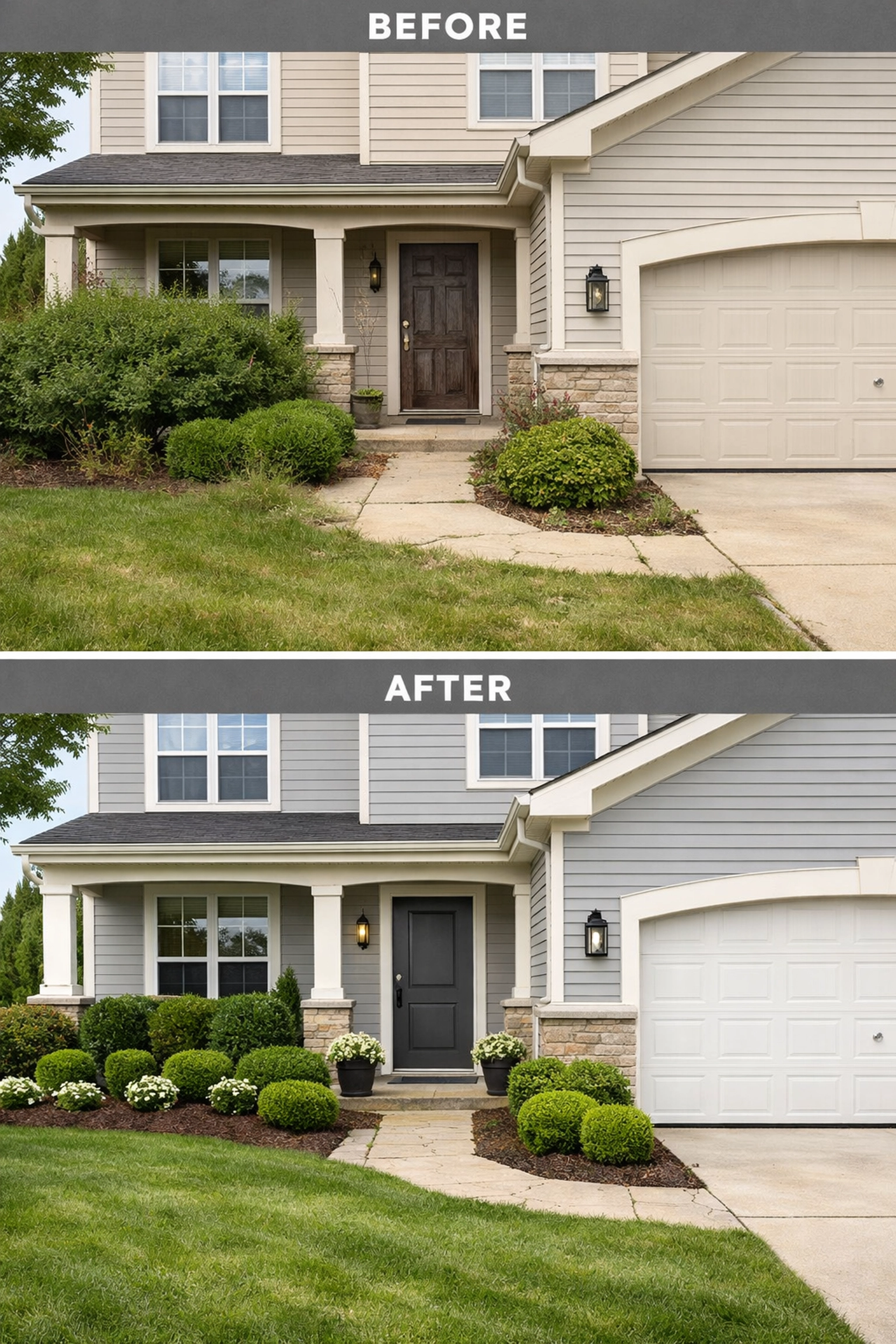
Minor repairs matter. Peeling paint, broken fixtures, outdated lighting, and worn flooring send signals that the home hasn’t been maintained. Even if everything functions fine, poor presentation lowers perceived value and makes buyers question what else might be wrong.
How to fix it: Walk through your home with fresh eyes: or better yet, have your agent do it. Make a list of small repairs and updates that improve presentation without breaking the bank. Fresh paint, updated light fixtures, and clean landscaping go a long way. You’re not renovating; you’re making sure buyers see your home at its best.
6. Choosing an Inexperienced Agent
Not all real estate agents deliver the same results. Experienced agents who know the Columbia market inside and out often achieve higher sale prices in less time than newer agents, even though commission rates are similar.
An inexperienced agent might overprice your home to win the listing, provide a weak marketing strategy, or lack the negotiation skills to get you top dollar. In a market where homes are selling at 98.6% of asking price, having the right agent makes all the difference.
How to fix it: Interview multiple agents before choosing one. Ask about their experience in Columbia, their recent sales in your neighborhood, and their marketing strategy. Look for someone who provides a clear, data-backed pricing recommendation and a comprehensive plan to get your home in front of serious buyers. If you’re ready to sell, contact us for a no-obligation consultation about your home’s value.
7. Spending Money on the Wrong Upgrades
Not all home improvements increase your home’s value. Some upgrades cost more than they return, especially if they don’t align with what Columbia buyers actually want.
Luxury features like high-end appliances or custom landscaping might appeal to you, but if comparable homes in your neighborhood don’t have them, buyers won’t pay extra. On the other hand, functional improvements like updated bathrooms, fresh flooring, and modern lighting often deliver better returns.
How to fix it: Before you spend a dollar on upgrades, talk to your agent about what improvements make sense for your specific property and neighborhood. Focus on updates that improve functionality, appeal, and presentation: not personal preferences that won’t translate to higher offers.
Getting Your Home Valuation Right in Columbia
Home valuation mistakes are expensive, but they’re also avoidable. The key is to approach your sale with clear data, professional guidance, and a commitment to presenting your home at its absolute best.
Columbia’s current market rewards sellers who price accurately from the start. With homes selling at 98.6% of asking price and sitting on the market for an average of 52 days, you have an opportunity to maximize your sale price: if you avoid the common pitfalls that trip up other sellers.
Take the time to get your valuation right. Work with an experienced agent who knows the Columbia market. Prepare your home so buyers and appraisers can see its true value. And price based on data, not emotions or outdated appraisals.
When you do that, you position yourself to sell faster, for more money, and with fewer headaches along the way. If you’re ready to get an accurate home valuation Columbia SC, reach out to us today. We’ll walk you through the process and help you avoid these costly mistakes before they happen.